


If you're in the market for elevator cameras, there are several main types to choose from. Here's a look at where elevator cameras (or lift cameras) are installed, what they look like, how footage gets out of a moving cab, and the models worth considering today.
Do elevators have cameras? #
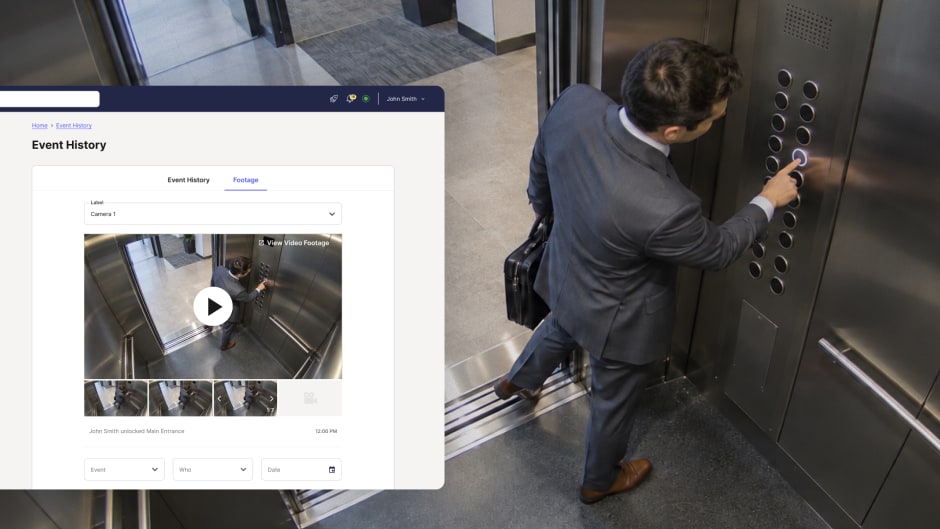
Most elevators in commercial, office, hotel and multifamily buildings do have cameras, but not all of them. A security camera is usually the building owner's choice. Newer US elevator codes do require an emergency camera that responders can view during an entrapment, but only where those codes are adopted. Older elevators and small residential lifts often have no camera at all.
Where are cameras in elevators? Most sit in an upper corner of the cab, usually opposite or diagonal to the door, so they see everyone who enters and their faces. Others are mounted on the ceiling, or built into the car operating panel next to the buttons.
What do elevator cameras look like? A small triangular box tucked into a top corner, a small dark dome on the ceiling, or a tiny hole near the floor buttons. Many have a brushed-steel finish to match the cab's trim, so they're easy to miss.
Types of elevator security cameras #
Corner cameras: Their triangular shape enables them to fit neatly into an upper angle on an elevator's wall. This is the most common elevator camera: a wide-angle lens in the corner covers the whole cab, including the door.
Mini-dome: They're similar to the dark, translucent models often mounted to the ceilings of retail stores, but smaller. A flat, low-profile dome is harder to knock or tamper with than a box camera.
Pinhole cameras: They install directly into another component of the elevator, such as the control panel. The lens sits behind a tiny opening, a few millimeters wide, so only that opening is visible. More on these below.
Wireless and IP elevator cameras: An IP (network) camera sends digital video over a network instead of an analog signal. A "wireless elevator camera" usually means a standard camera paired with a wireless or optical bridge that carries video from the moving cab to the building network, rather than a Wi-Fi camera.
If you opt for a smart elevator camera, meaning they are compatible with cloud-based software, you can monitor things from anywhere by viewing live video feeds on a smartphone or tablet app. Any of the broad types of elevator cameras mentioned here could have smartphone compatibility, but be sure to check with your chosen retailer if a compatible smartphone app is a must-have feature for your elevator camera.
Most "hidden" elevator cameras aren't secret. They're discreet: a pinhole lens in the car operating panel, or a slim unit behind the ceiling panel. Owners choose them for three reasons.
- Vandalism: A camera nobody can see is a camera nobody can spray-paint, cover or pull off the wall.
- Face capture: A lens beside the buttons sees faces head-on, at the moment someone selects a floor. A corner camera often sees only the tops of heads.
- Aesthetics: Hotels and high-end residential buildings want cabs without visible hardware.
Discreet doesn't mean undisclosed. Most organizations still post signs that the elevator is under video surveillance, and in some jurisdictions that notice is required. See the laws section below.
Do elevators have hidden cameras? Some do. If you can't see a corner unit or dome, look for a small hole or a dark glass panel near the floor buttons or in the ceiling.
How video gets out of an elevator cab #
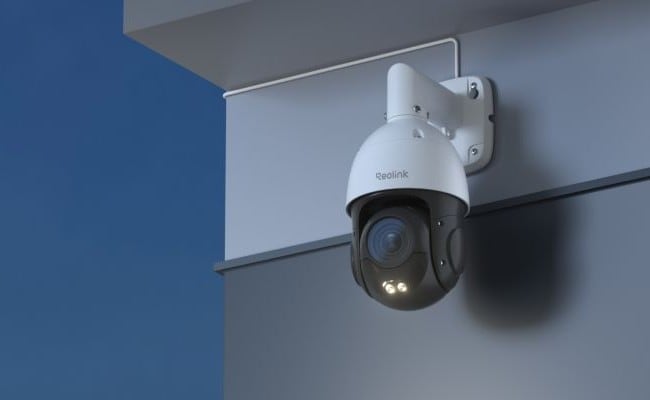
The hard part of elevator surveillance isn't the camera, it's the connection. The cab moves, so you can't run a normal network cable to it. There are three common ways to get power and video from the cab to your recorder.
Ask your elevator contractor which option fits before you buy a camera. In most places only a licensed elevator mechanic may work in the hoistway or on the cab.
What to look for in an elevator camera #
- Wide field of view: Aim for 110° or more horizontally so a corner camera sees the whole cab and the door.
- Resolution: 2 MP (1080p) is a sensible minimum for identifying faces in a small cab. 4 to 5 MP helps if you'll zoom into recorded footage.
- Low light and WDR: Cab lighting is often uneven, with bright ceiling panels and darker corners. Wide dynamic range (WDR) and IR or good low-light performance keep faces visible.
- Vandal and vibration resistance: Look for an IK10 impact rating, a metal housing, and a design rated for constant vibration.
- Connection: Match the camera to how video leaves the cab (see above). Many elevator-specific models support PoE.
- NDAA compliance: US federal agencies, contractors and many enterprises can't use cameras from Hikvision, Dahua and other brands covered by NDAA Section 889. Check before you buy, even for a private building.
- Platform compatibility: Make sure the camera works with your video management system (VMS) or cloud platform, and ideally with your access control system.
Best elevator security cameras to consider #
These six picks cover the main elevator camera types: corner, mini-dome, pinhole, HD-over-coax, and code-compliant emergency video. For reseller-branded cameras, confirm compliance with the seller.
1. AXIS P9117-PV Corner Camera #
This corner-style camera, the current successor to Axis's earlier P91 line, delivers 6 MP video. Axis says it covers the full cab with no blind spots. It includes Lightfinder 2.0 and Forensic WDR for mixed lighting, plus a built-in microphone for audio analytics. One elevator-specific feature stands out: an elevator door state detector that flags a door opening when it shouldn't. Expect to pay around $790.
2. Hanwha Vision TNV-8011C #
This 5 MP corner camera is designed to fit neatly into the corner of a room or lift and to be very hard to rip off the wall. It's rated IK10 for impact, runs on PoE, and offers 120 dB WDR for cabs with bright ceiling lights. It's listed as NDAA compliant. Pricing is by quote through Hanwha dealers.
3. AXIS P1265 Mk II Modular Pinhole Camera #
The best option if you want a hidden elevator camera. Only a tiny pinhole is visible, and the sensor unit can sit behind metal or glass, such as the car operating panel. The sensor connects by cable to a small main unit that can be mounted out of sight. It records 1080p with a 91° horizontal field of view, runs on PoE, and sells for roughly $400 to $450.
4. Rhombus R120 Mini Dome #
A small, flat 2 MP dome with an IK10 rating, 128 GB of onboard storage and cloud management. One Ethernet cable powers it. It integrates with Kisi, so unlock events can be matched to video clips automatically. The camera costs around $400, plus a Rhombus license.
5. CCTV Camera Pros HD-ELT3 Elevator Camera #
Since the HD-ELT3 Elevator Camera has an ultra-wide-angle lens, you could put it in one corner and see the entire surrounding area. It supports three high-definition video modes, plus standard-definition CCTV feeds. That makes it a practical upgrade when an elevator already has coax in its traveling cable. CCTV Camera Pros also sells an IP version (IP-ELT8) and a wireless elevator camera system.
6. RATH SmartView 2 Elevator Camera (2100-SVCF) #
This one is different: it's an emergency communication camera, not a security camera. It works with RATH's SmartView 2 system so responders can see inside the cab during an entrapment, which newer US elevator codes require (see below). It comes in a panel-mount version and a corner-mount version with a stainless steel housing. If you're modernizing an elevator, you may need one of these as well as a security camera.
Which security camera system is right for your facility?
Explore side-by-side reviews of the top video security solutions in the market.
Elevator camera laws, privacy and audio #
Now that you know the main types of elevator cameras, it's also worth researching if there are any legal restrictions on their use for business purposes. The law generally allows enterprises to use elevator cameras. However, businesspeople can only install them for legitimate reasons, and do so in ways that don't violate a person's reasonable expectation of privacy.
Do elevator cameras have audio? Most don't record sound, and that's deliberate. In the US, recording conversations is regulated far more strictly than video, and some states require consent from everyone being recorded. Some cameras, such as the AXIS P9117-PV, have a microphone for audio analytics, so check with counsel before you enable audio recording.
Elevator codes can require a camera. The 2019 and 2022 editions of the ASME A17.1 elevator safety code require the in-car emergency device to display video of the car floor to authorized personnel, so responders can assess an entrapment. This is an emergency camera, not a security camera. It applies only where a state or city has adopted those editions, and some have delayed it: Alabama has pushed enforcement to January 1, 2027.
Outside the US: In the EU and UK, elevator video is personal data under GDPR. You'll typically need a lawful basis, clear signage, a retention limit, and a process for handling access requests. Other countries have their own CCTV rules, so check local law before you install.
How much does an elevator camera cost? #
Concerning pricing, the elevator range is quite broad, spanning from hundreds of dollars to several thousands, depending on how extensive the surveillance system is. The camera itself is usually the smallest line item. Getting video out of the cab is what drives the total.
Additionally, many companies require you to submit your company's details to receive exact quotes. Ask for the elevator contractor's quote early. It's the number most likely to change your plan.
Elevator cameras and access control #
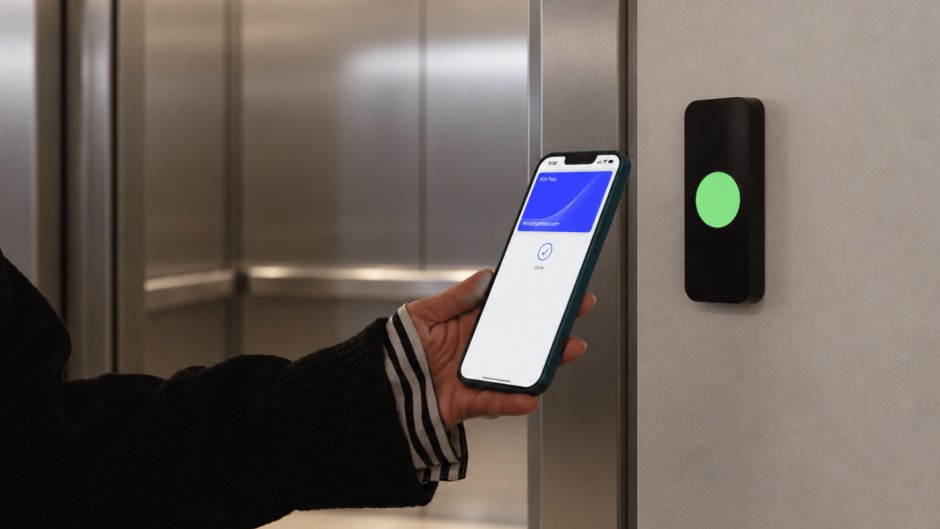
A camera shows you who was in the elevator. Access control decides who can get there in the first place. With elevator access control, each credential unlocks only the floors that person is allowed to visit, and every floor selection is logged.
Connecting the two closes the loop. Kisi integrates with camera systems such as Vivotek, Rhombus, Eagle Eye Networks and Cisco Meraki. When a security-relevant event happens, Kisi pulls up to nine snapshots from around that moment, so you can see who actually walked through instead of searching hours of footage.Choosing to install an elevator camera could keep workers, customers, and guests safe.
Frequently asked questions #
Do all elevators have cameras? #
No. Most commercial, hotel and multifamily elevators do, but many older and residential elevators don't. Newer US elevator codes require a camera for emergency use, but only where those code editions have been adopted.
Where are cameras in elevators? #
Usually in an upper corner of the cab, facing the door. Some are ceiling domes, and some are pinhole cameras built into the button panel.
Do elevator cameras record audio? #
Usually not. Audio recording is more tightly regulated than video, and some US states require consent from everyone recorded.
Some elevators use pinhole cameras in the button panel or ceiling. They're chosen to resist vandalism and capture faces, and most buildings still post a surveillance notice.
Can a lift camera work without cables? #
Yes. A wireless or optical bridge can carry video from the cab to the shaft. The camera still needs power from the cab.
How much does it cost to install a camera in an elevator? #
Hardware runs about $250 to $900 per camera. The total depends on how video leaves the cab: adding a new traveling cable can cost $10,000 or more, while a wireless bridge is far cheaper.

Bernhard Mehl
Bernhard is Co-founder of Kisi. His philosophy, "security is awesome," is contagious among tech-enabled companies.

