

Facility maintenance involves more than fixing problems when they arise. In this guide, we'll cover the key components of a facility maintenance checklist, including daily, monthly, and annual maintenance tasks, as well as recommendations for maintaining building systems such as HVAC, plumbing, fire safety equipment, and access control systems.

What is a facility maintenance checklist? #
A facility maintenance checklist, also called a preventative maintenance checklist, is an invaluable security tool to keep a building safe by periodical planning, checkups, and maintenance activities. It is the job of facility management teams to upkeep various aspects of building maintenance that get weathered by environmental conditions, worn out by frequent use, or just expire because of the technical capabilities of the materials included.
Irregular adherence to a facility maintenance checklist can cause mild issues in shorter periods and severe, even life-threatening problems down the line. A mild issue can include failure of parts of the IT infrastructure that prevents people from doing their daily work. A severe issue can be a power cut in a facility that doesn't have a backup generator, which endangers substances or materials that must be kept under specific temperature conditions, in turn causing serious consequences to people's health or safety. That's why every facility needs a maintenance template describing the necessary steps to keep everything safe and in order.
Preventive vs reactive maintenance #
The distinction between preventive and reactive maintenance is more important than one might think. Reactive maintenance means fixing things after they break (which usually costs more and sometimes takes longer). Preventive maintenance means scheduling regular inspections and servicing before failures occur, so you generally spend less on emergency repairs and extend equipment lifespan.
A well-structured checklist supports five main goals:
- Reduce unplanned downtime
- Improve safety for occupants and staff
- Extend the life of building systems and equipment
- Support regulatory compliance (fire safety, electrical, plumbing codes)
- Lower long-term repair and replacement costs
Since there are tasks that need to be completed on a more and on a less frequent basis, it is recommended for a building to create a daily facility maintenance checklist and a monthly facility maintenance checklist. Larger annual or ad hoc checkups are practiced when a key business asset needs to be replaced. Failure to create preventative maintenance checklists and not taking care of the risks on time can save you time and a smaller amount of money short-term, but create havoc in the long-term if a serious incident occurs.
Facility maintenance checklist by frequency #
Not every maintenance task runs on the same schedule and some things need to be checked every day (like entrances, lighting, access systems, etc). For others however, you might only need attention once a year. Thus, organizing tasks by frequency makes it easier to assign responsibility and make sure nothing gets pushed indefinitely.

Daily facility maintenance checklist #
- Inspect main entrances, exits, and lobbies for damage or hazards
- Check all interior and exterior lighting is working
- Monitor HVAC performance and note any temperature irregularities
- Check access control systems and entry points are functioning
- Inspect parking lots and walkways for safety hazards
- Look for visible leaks or water damage
- Review any overnight maintenance alerts or system logs
Weekly facility maintenance checklist #
- Test emergency lighting and exit signs
- Inspect fire exits for obstructions and proper operation
- Check plumbing fixtures in restrooms and common areas
- Inspect landscaping, exterior drainage, and grounds
- Review maintenance logs from the past week and close out completed tasks
- Inspect loading docks and service entrances
Monthly facility maintenance checklist #
- Replace or inspect HVAC filters (depending on filter type and building use)
- Inspect roof drainage and gutters for debris
- Test backup power systems and generators
- Review access permissions and remove inactive or expired user credentials
- Check door hardware, closers, and hinges on high-traffic doors
- Inspect exterior walls and building envelope for new damage
- Test fire extinguisher condition and accessibility
Quarterly facility maintenance checklist #
- Inspect electrical panels and connections (by qualified personnel)
- Review energy usage data and flag inefficiencies
- Test fire alarm and suppression systems
- Conduct deeper equipment inspections on HVAC, pumps, and motors
- Review any recurring issues from maintenance logs
- Inspect elevator systems if applicable
Annual facility maintenance checklist #
- Professional HVAC servicing and certification
- Fire equipment inspection and certification (extinguishers, sprinkler systems, alarms)
- Full roof inspection — membrane, flashing, drains, and penetrations
- Structural inspection of exterior walls, foundations, and canopies
- Electrical system audit by a licensed electrician
- Comprehensive security and access control review
- Review and update all maintenance documentation and service contracts

Is your building prepared for today's security challenges?
Evaluate security controls and uncover opportunities for improvement.
Facility maintenance checklist by building system #
The following sections cover the main building systems that require ongoing maintenance and each one includes what to check and how often.
Construction works and building exterior #
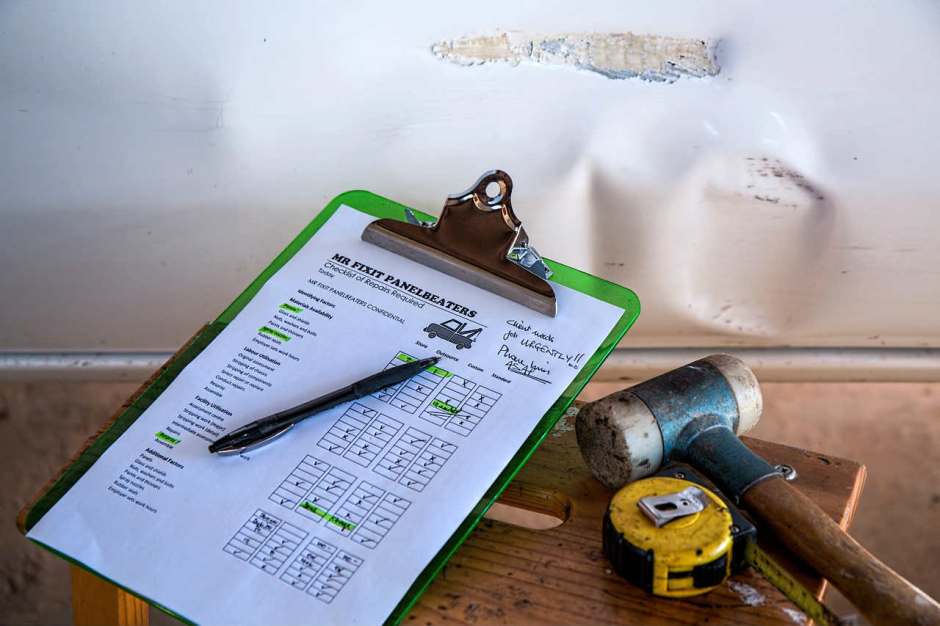
Exterior walls and masonry work wears out as time goes by and should be checked at least monthly, if not more often in detail, and daily for any visible cracks or demolished areas. Building arches, eaves, and canopies should be inspected carefully as they tend to deteriorate more often. Routine roofing and soffit check-ups must be conducted along with the rest of the inspection of the building exterior.
Beyond the facade, a full exterior inspection should include:
- Foundations: Look for cracking, settlement, or moisture intrusion at ground level, particularly after heavy rain or freeze-thaw cycles
- Water intrusion: Check window and door frames, roof-to-wall junctions, and any below-grade areas for signs of seepage or staining
- Parking lots and paved areas: Inspect for potholes, drainage issues, faded line markings, and uneven surfaces that could create liability hazards. Repaving and restriping is typically done on 10–20 year cycles, but patch repairs should happen as needed
Doors, gates, windows, and other openings #
Depending on the materials from which they are built, doors and windows have various durability and should not need frequent replacement. But small parts, such as hinges, locks, and handles can break faster and thus prevent proper door functioning.
For a thorough inspection, check the following:
- Weatherstripping and seals: Worn seals let in drafts, moisture, and pests. Inspect annually and replace when gaps are visible
- Door closers and hinges: High-traffic doors wear out faster. Check closing speed, alignment, and hinge tightness monthly on main entrances
- Automatic door operators: Test force settings, sensors, and obstruction detection. These require professional servicing on a scheduled basis
- Emergency exits: Confirm exit hardware operates correctly, panic bars engage cleanly, and doors are not obstructed or propped open
- Loading dock doors and roll-up gates: Inspect seals, springs, and tracks. These take heavy daily use and fail without regular lubrication and adjustment
- ADA-compliant hardware: Verify that accessible hardware (lever handles, automatic openers) is functioning and meets current code
Lighting systems #
Although lighting has its own voice to tell when it doesn't work, a facility manager mustn't wait for defects to take action. Periodical check-ups of the lighting system must be part of the facility maintenance checklist, and the power supply must be inspected on a daily basis.
Key lighting maintenance tasks:
- Interior lighting: Check lights with transformers, control gear, and other accessories. Inspect cables, screws, and hardware on a scheduled basis
- Exterior lighting: Inspect fixtures, gaskets, and wiring on all outdoor lights. Clean lenses regularly to maintain output
- Emergency and exit lighting: Test monthly per NFPA 101 requirements. Emergency lights must hold a full 90-minute charge; exit signs must be illuminated at all times. Document all test results
- Occupancy sensors: Verify sensors are triggering correctly. Miscalibrated sensors cause complaints and waste energy
- Relamping: Create a relamping schedule to replace lamps before they fail rather than reactively. Use lamps with matching color temperature throughout zones
- Energy efficiency: Where lighting hasn't been updated, LED retrofits typically pay back in under two years. Track wattage per zone as part of energy reviews
Plumbing systems #
Plumbing defects are not so easy to notice until they occur, but if you have a checklist template with equipment replacement guidelines (for instance, when to replace a valve) you can avoid major issues. Irrigation system maintenance is sometimes done as part of plumbing activities but may require additional specialist checkups.
A complete plumbing inspection should cover:
- Leaks and connections: Inspect couplings, joints, and exposed supply lines for drips or moisture staining
- Water heaters and boilers: Check and replace refrigerant and oils where needed; inspect for sediment buildup annually
- Pumps: Lubricate water booster and circulation pump systems on schedule; check pumps and sewage ejectors at least annually
- Restroom fixtures: Check fixtures in public restrooms for leaks, flush performance, and water pressure
- Backflow prevention devices: Most jurisdictions require annual inspection and certification of backflow preventers by a licensed plumber. Don't overlook this — it's a compliance item, not just a maintenance one
- Drain inspections: Clear floor drains in mechanical rooms, parking structures, and kitchens regularly to prevent blockages
Fire protection equipment #
Checking fire safety equipment is a legal requirement, and if you don't make it a part of the facility maintenance checklist, you can not only put your facility at risk but also face fines and penalties. Depending on where you are located, fire extinguishers must be serviced at least once a year, while doors and crawl spaces should be inspected more often. If you have a sprinkler system installed, it should also undergo preventative maintenance together with the rest of the equipment.
A complete fire protection maintenance program includes:
- Fire extinguishers: Monthly visual inspection (pressure gauge, pin, condition); annual professional service; 6-year maintenance and 12-year hydrostatic testing per NFPA 10
- Sprinkler systems: Quarterly inspection of gauges and control valves; annual full inspection by a licensed fire protection contractor
- Fire alarm panels: Test smoke detectors, pull stations, and audible/visual devices annually. Monthly function checks on central panels
- Fire doors: Inspect self-closing mechanisms, door seals, and latching hardware. Fire doors propped open or with damaged closers are a code violation and a serious safety risk
- Exit signs and emergency lighting: Monthly testing required. Exit signs must stay illuminated continuously; emergency lighting must provide 90 minutes of backup power
- Inspection documentation: Keep dated inspection records for all fire safety equipment. Many insurance policies and local fire codes require these records to be available on request
HVAC preventive maintenance checklist #
The HVAC system requires cleaning and regular maintenance. Although a failing HVAC system won't immediately stop your business, it's one of the most common sources of occupant complaints and has a direct effect on staff productivity and comfort. HVAC systems typically account for 40–60% of a commercial building's energy consumption, so deferred maintenance shows up quickly in operating costs.
Indoor air quality (IAQ) is increasingly part of HVAC maintenance, not just as a comfort factor but as a health and compliance concern. Monitor CO₂ levels, check ventilation rates against occupancy, and ensure fresh air dampers are opening correctly. Buildings with poor IAQ see higher rates of occupant complaints and sick days.
HVAC maintenance tasks to include on your checklist:
- Find screw issues, recharge P-traps or U-bend water traps
- Hire a professional to inspect chillers and boilers annually
- Inspect cooling towers for fill, fan blades, motor bearings, gearbox and support structure, and wiring
- Check and lubricate pumps once a year
- Clean and replace air filters monthly or quarterly depending on filter type and building use
- Clean the condenser coil
- Check energy efficiency settings including the compressor and refrigerant levels
- Confirm that superheat temperature is between 10 and 20 degrees Fahrenheit
- Clean the economizer for corrosion and debris, and calibrate sensors
- Check condensate drain pans and lines for blockages
- Inspect thermostats and building automation system (BAS) settings seasonally
Access control and physical security systems #

Specific elements of the access control system can be integrated with other aspects of a facility, causing confusion about when and how each needs to be inspected. For instance, fire alarms can activate sprinklers while disabling some access doors. Video cameras can operate in several modes for monitoring as well as safety purposes. The WiFi network can be combined with these systems too. It's good to have each of these aspects in a separate box on your daily and monthly facility inspection checklists so you can complete them without worrying you've missed something.
- Access control hardware: Inspect card readers, keypads, controllers, and door hardware for signs of damage or wear. Test locks and door position sensors to ensure they are operating correctly, and verify that controllers remain connected to the management system. Regular cleaning and inspection can help prevent issues caused by dirt, misalignment, or faulty components.
- Access management: Review user permissions regularly to ensure employees, contractors, and visitors only have access to the areas they need. Remove inactive credentials, revoke temporary access that is no longer required, and check that permissions still align with current roles and responsibilities.
- System testing: Test emergency unlock procedures, fire alarm integrations, and remote management functions on a regular basis. If your system uses mobile credentials, verify that credentials can be issued and revoked successfully.
- Security monitoring: Review access logs for unusual activity, such as repeated failed entry attempts or access outside normal operating hours. Where access control is integrated with video surveillance, confirm that events and recordings are functioning as expected. Keep devices and software up to date according to your vendor's recommendations.

Ready to move beyond keys and legacy systems?
See how cloud-based access control improves flexibility and visibility.
Sample facility maintenance checklist template #
Use the table below as a starting point and adapt frequencies and responsible parties to your facility's size, systems, and local code requirements.
Keep your facility running and secure with Kisi #
It’s no secret that preventive maintenance is cheaper than emergency repairs and a facility that runs on a documented checklist has fewer surprise failures and longer equipment lifespans. Unfortunately, one area that often gets treated as an afterthought is access control. Doors, credentials, and physical security systems need the same scheduled attention as HVAC and plumbing, and they're often the last thing audited until there's an incident.
Kisi's cloud-based access control system makes the security side of facility maintenance simpler: you have credential audits, access log reviews, firmware updates, and remote system testing which are all manageable from a single dashboard without dispatching a technician to each door. If you want to know more about how access control can automate your facility, feel free to contact our team for a chat
